Guide · 7 min read
Bridge Fishing in the Florida Keys: Free Piers Over World-Class Water
The old bridges of the Overseas Highway are free fishing piers standing over tarpon channels. Which spans you can fish, what bites, and how to fish a ripping Keys current.
When Florida replaced the old Overseas Highway bridges, it left many of the original spans standing beside the new road — and turned them into some of the best free fishing piers on Earth. They stand directly over the channels where the Atlantic and the Gulf trade water twice a day, which means the fish don't come to the bridge. The bridge was built over the fish.
The names to know are the old spans maintained as fishing piers: Long Key, Channel Two and Channel Five near Islamorada, and Tom's Harbor near Duck Key are the classics, with parking and a walk-on deck. (The famous restored stretch of the Old Seven Mile Bridge at Pigeon Key is a pedestrian showpiece where fishing isn't part of the deal — enjoy the walk, carry the rod elsewhere.) Access rules and repairs shift over the years, so glance at current signage and county pages before planning a long drive around one span.
What you're standing over
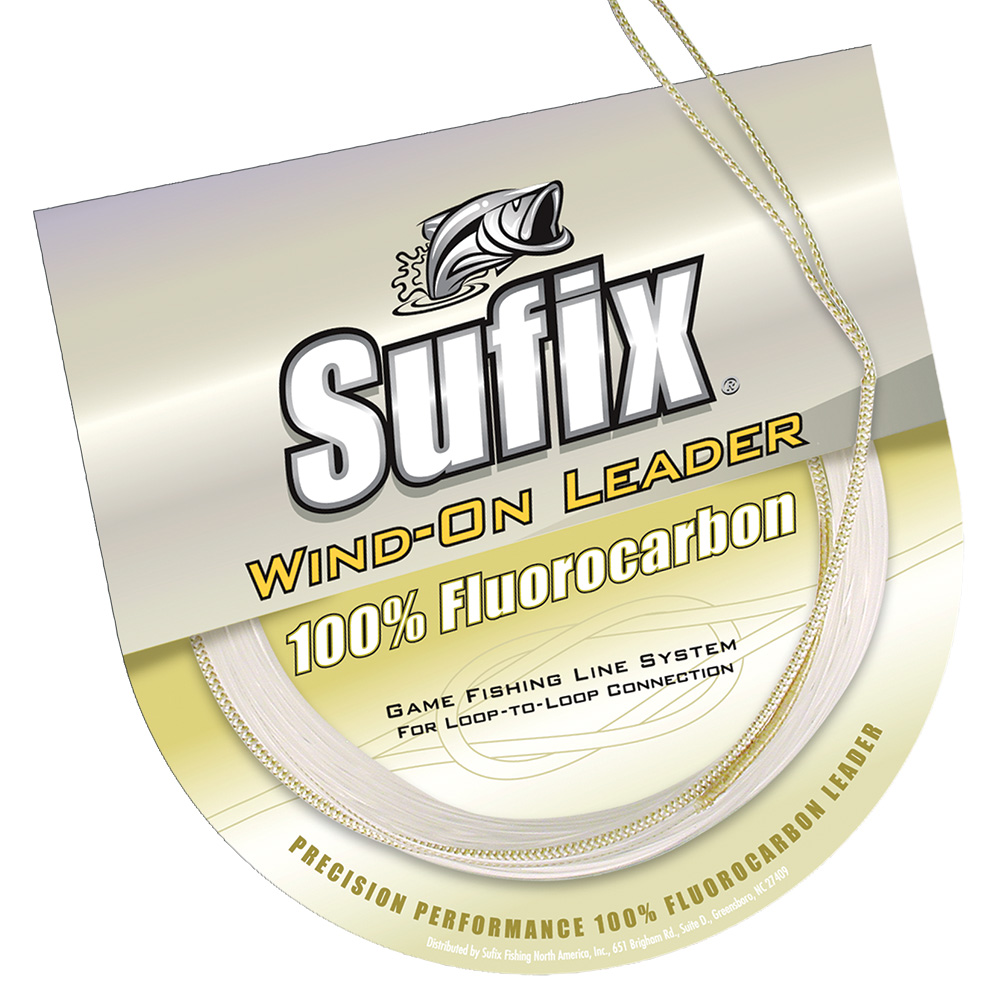
The honest everyday catch is mangrove snapper — abundant, delicious, and smarter than they look, demanding small hooks and the lightest leader the current allows. Around them: yellowtail snapper, grunts, jacks that arrive like a street gang, Spanish mackerel in the cooler months, and barracuda that will follow anything shiny to your feet. After dark the channels change owners — big snook hunt the light lines and shadows, and from spring into summer the tarpon come, rolling through the bridge channels like the tide made them.
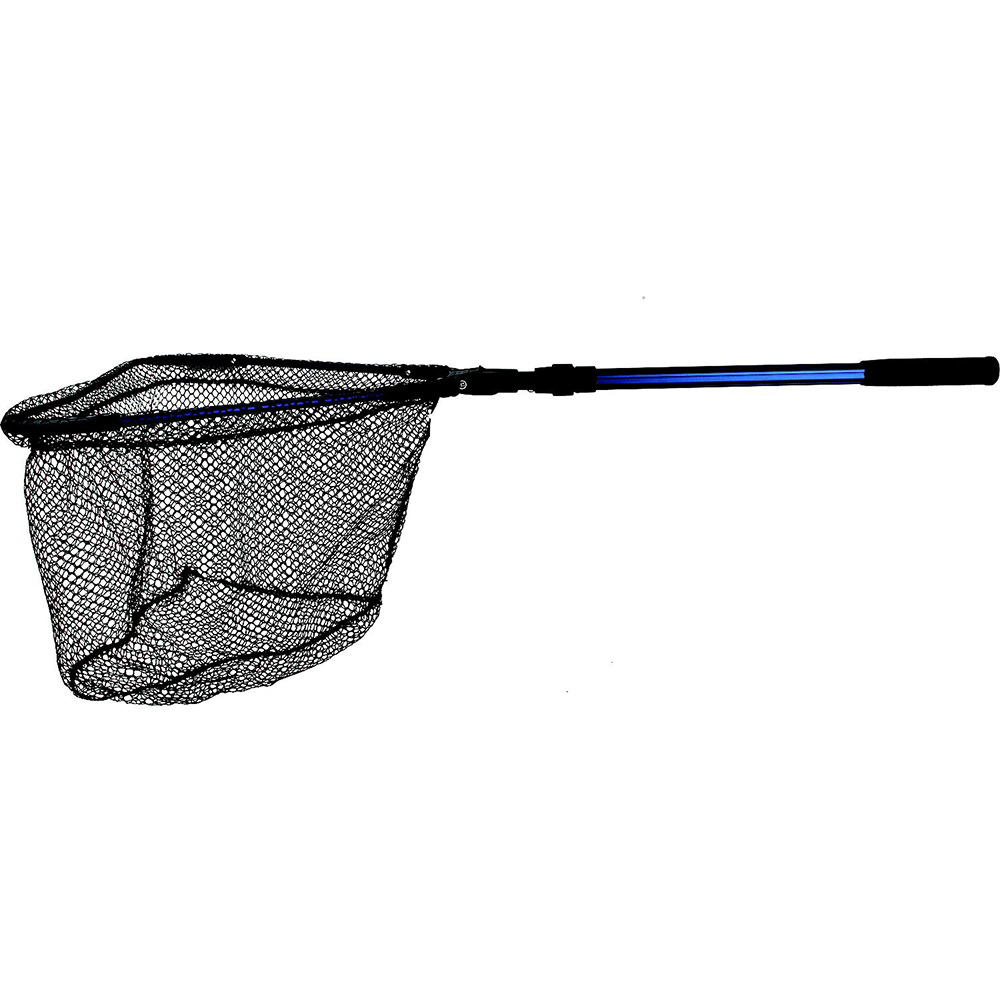
A tarpon from a bridge deck is mostly an experience rather than a landing — a hundred-pound fish in ripping current with pilings everywhere wins the argument more often than not. Anglers who do it seriously use heavy leader, a long-handled net or a walk-down plan, and modest expectations. Everyone else just watches them roll at sunset, which costs nothing and is worth the whole trip.
Fishing the current
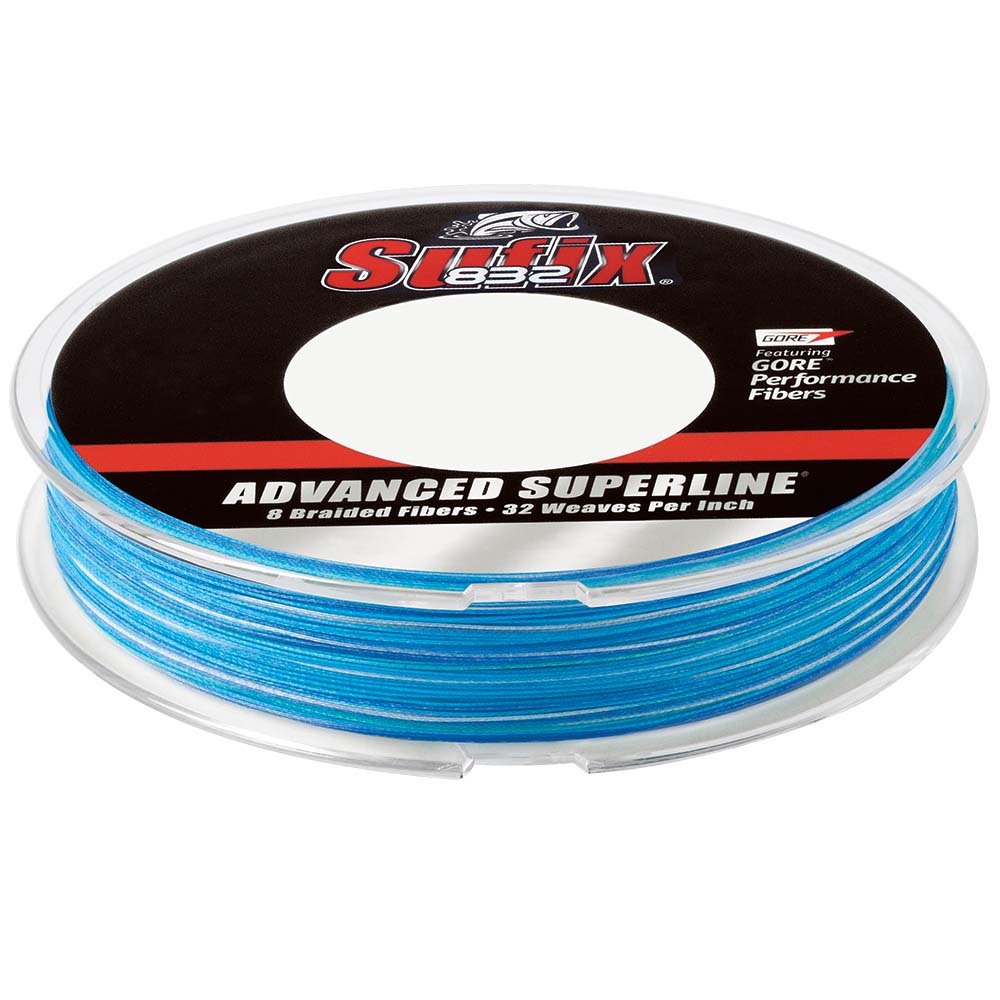
Keys bridges are current-fishing school. The tide's vertical range is small here, but the volume moving between the Gulf and the Atlantic through a narrow cut is enormous — the water under your feet can run like a river. The bite tracks that movement: the start and end of each tide run, when current is strong-but-fishable, usually beats the peak rip, and dead slack is nap time. Uptide casts that drift your bait naturally back to the pilings out-fish anchoring a pound of lead against the flow.
One licensing note, because Florida differs from California: fishing from shore or a bridge here isn't automatically license-free. Florida residents can get a free shoreline fishing license; visitors need a regular non-resident license unless the specific pier holds a blanket license. It's cheap and online — sort it before you go, and check FWC's current rules for snapper sizes and closures while you're there.