Guide · 7 min read
How Tides Affect Fishing: The Complete Guide
The complete guide to fishing tides: why moving water catches fish, which tide stages actually matter, and the best time to fish any tide — planned around the water, not the clock.
Ask ten veteran anglers for their number-one planning rule and at least nine will say the same thing: fish the moving water. Tides are the metronome of inshore fishing. They move bait, concentrate predators, and switch feeding windows on and off with a reliability that weather never matches. Learn to read them and you will catch more fish on fewer trips — it really is that direct.
A tide is a very slow wave, driven by the gravitational pull of the moon and sun, that sweeps water toward and away from the coast on a schedule you can predict years in advance. On most of the West Coast that schedule is 'mixed semidiurnal' — two high tides and two low tides a day, of noticeably different sizes. The vertical difference between a high and the following low can exceed six feet in Northern California, and all of that water has to physically flow past your fishing spot on its way in and out.
Why moving water means feeding fish
Current does three things at once. It dislodges food — sand crabs, worms, shrimp — and pushes it along predictable lanes. It disorients baitfish, which struggle to hold position in flowing water. And it gives predators an ambush structure: they hold in the calm pockets behind rocks, troughs, and channel edges, letting the tide deliver dinner. Slack water shuts all three mechanisms off, which is why the hour of dead-still water around the extremes is so often lifeless.
The practical rule: plan to be fishing during the middle two to three hours of a tide swing, when water is moving fastest. The old saying is 'fish the last of the incoming and the first of the outgoing' — both sides of a high — because that combination pushes bait tight to shore, then pulls it back out through concentrated funnels.
Incoming vs. outgoing
An incoming (flood) tide floods shallow feeding flats that were dry or skinny an hour before. Surf species like barred surfperch and corbina ride it almost to the sand, hunting crabs washed loose in the shorebreak. Bay fish push up onto eelgrass flats. If you fish beaches, the incoming is your friend, and the first hours of it often fish better as the water climbs.
An outgoing (ebb) tide drains those same flats and forces everything — bait and water alike — out through channels, harbor mouths, and river openings. That is structure fishing time: halibut, stripers, and bass sit on the down-current side of the funnel and eat what the drain delivers. Jetty tips and channel edges are outgoing-tide spots almost everywhere in the world.
Tide size matters too
Not all swings are equal. Around new and full moons the sun and moon pull together, producing 'spring' tides — bigger highs, lower lows, and much faster current between them. Around quarter moons the pulls partly cancel, and the gentler 'neap' tides move less water. A 6-foot swing can produce triple the current speed of a 2-foot swing at the same spot, and the fishing usually follows. USTideCharts' fishing score bakes tide movement in as its heaviest factor for exactly this reason.
One caution: the biggest spring tides can actually muddy the water and scatter bait on some beaches. If your spot fishes poorly on the extremes, try the days flanking the full or new moon, when movement is strong but not chaotic.
Putting it together
Before any trip, look at three things on the tide chart: when the water is moving (fish then), which direction it is moving (pick your spot to match), and how big the swing is (set your expectations). Pair a moving tide with dawn or dusk and you have stacked the two most powerful factors in inshore fishing on top of each other.
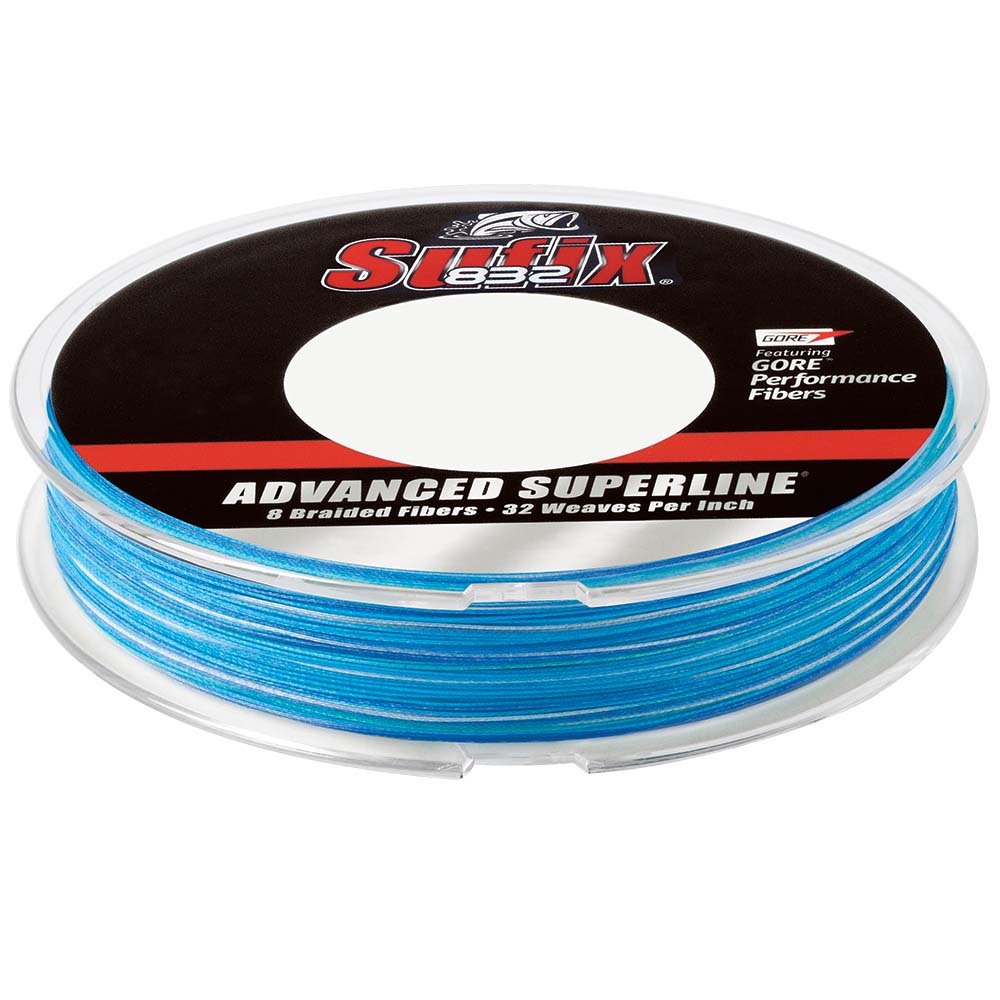
Gear-wise, moving water rewards tackle that stays in touch with the bottom. A long surf rod keeps your line above the shorebreak, braided line telegraphs every tick through the current, and a sliding sinker running above a swivel lets a perch or corbina pick up the bait without feeling the weight. The rod, the braid and the swivel are in the cards below — the sinker is the one piece you'll still want to pick up locally.