Guide · 8 min read
Surf Fishing San Diego: Beaches, Seasons, and the Sand Crab Rule
Where and when to surf fish in San Diego — from Imperial Beach to Torrey Pines — plus the one bait rule that outfishes everything else.
San Diego might be the easiest place in California to learn surf fishing. The waves are gentler than up north, the water is warmer, the fish bite most of the year, and there are seventy-odd miles of sand between the border and Oceanside where you can walk on and cast. You don't need a boat, you don't need to wake up at 3 a.m. (though it helps), and the whole kit fits in one hand.
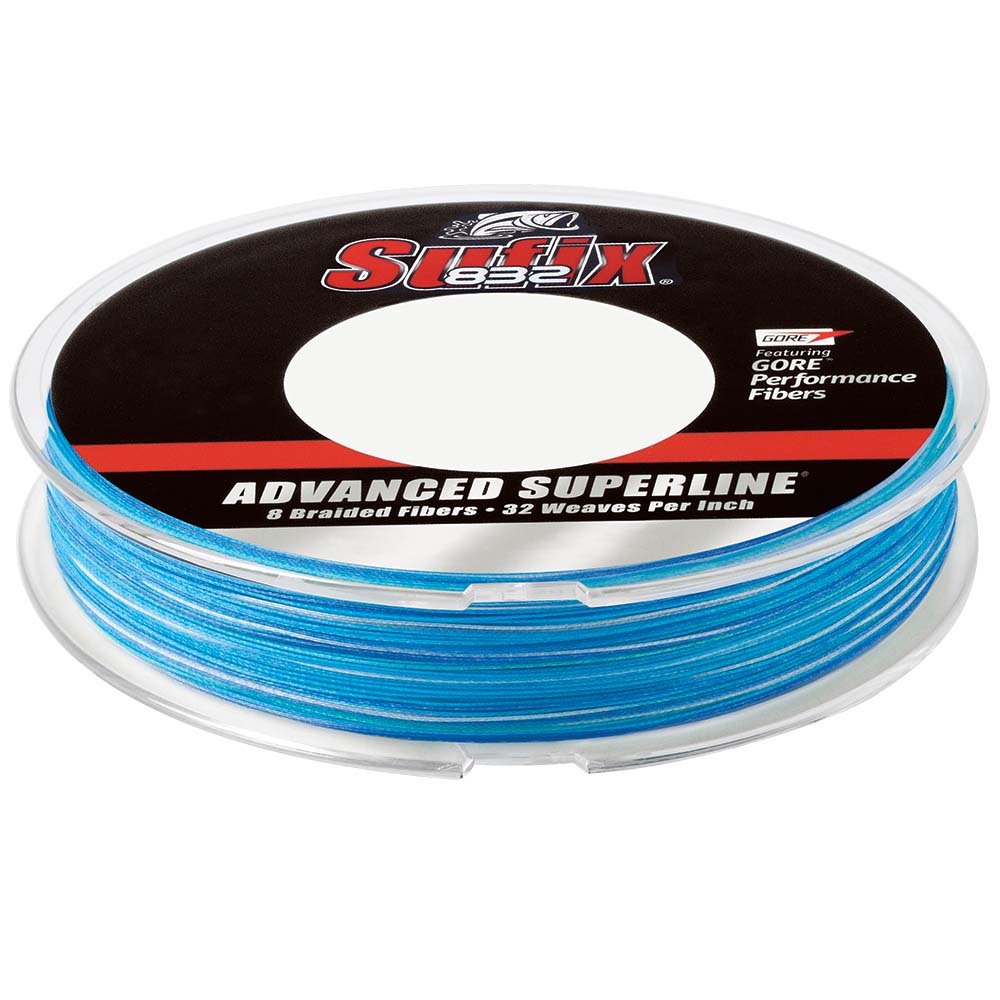
The fish you're most likely to meet are barred surfperch — the bread and butter, willing nearly year-round — yellowfin croaker and spotfin croaker in the warm months, California corbina cruising the shallows in summer, and the occasional halibut lying ambushed near a rip or river mouth from spring through early fall. None of them require heavy gear. A light 7-to-9-foot rod, 15–20 lb braid, and a small box of terminal tackle covers everything on this list.
The sand crab rule
Here's the rule that will outfish any lure recommendation: fish what the beach feeds them. Everything in the San Diego surf eats sand crabs, and you can gather your bait for free at your feet. Watch the wet sand as a wave recedes — the little V-shaped ripples are sand crab colonies breathing. Scoop with your hand or a small rake, keep a dozen soft-shelled ones (the molting, grayish ones are candy), and pin one on a size 2 or 4 hook. When crabs are scarce, a two-inch motor-oil colored grub or a fresh mussel does honest work.
Rig them Carolina style: a sliding egg sinker on the main line, a small swivel, then eighteen inches of lighter fluorocarbon to the hook. The sliding weight lets a perch pick up the bait and swim without feeling resistance — with fish this size, that half-second of trust is the whole game.
Reading the beaches
Every good surf beach in San Diego is really a series of underwater neighborhoods: troughs (the deeper lanes that run parallel to shore — look for darker water and waves that don't break), rips (the churned, foamy rivers running out to sea, which dig holes fish sit in), and the flat sandy shelves in between. Fish the edges of structure, not the middle of nowhere. At low tide, walk the beach and photograph the exposed troughs and holes; at the next high tide you'll be casting into a map instead of guessing.
As for which beaches: Torrey Pines and Blacks Beach fish beautifully and feel wild for being inside a city. Del Mar and Solana Beach have classic trough structure. Coronado's Silver Strand is long, lonely, and full of perch. Imperial Beach, near the border, gets less pressure than anywhere and gives up corbina all summer. Honestly, though, the specific beach matters less than the structure in front of you — a good rip at an average beach beats dead-flat sand at a famous one.
Timing it
The tide matters more than the calendar. The classic San Diego surf window is the incoming tide, especially the last two hours before high — rising water pushes sand crabs loose and brings the fish within a short cast of dry sand. Dawn stacks the odds further; corbina in particular feed shockingly shallow in the first low light, sometimes with their backs out of the water. Check your beach's tide chart on this site, find a morning where the incoming crosses sunrise, and go.
One legal note: unlike California's public piers, fishing from the beach requires a sport fishing license if you're 16 or older, and regulations change — check the CDFW site before you keep anything. Surfperch have a size and bag limit, and there's a spring closure for keeping them in some years. Ten minutes of reading saves an expensive conversation with a warden.