Guide · 7 min read
California Halibut From Shore: Flat Fish, Sharp Strategy
How to catch California halibut without a boat — the sandy structure they ambush from, the moving-water windows, live bait vs. lures, and the 22-inch rule.
The California halibut is the state's great shore-fishing prize: a fish that can go twenty pounds, tastes like it costs forty dollars a plate, and lives within casting distance of the sand for half the year. It's also a masterclass in ambush. A halibut buries itself flush with the bottom, both eyes up, and waits — sometimes for days — for one baitfish to swim over the wrong square foot of ocean.
That lifestyle tells you everything about how to catch one. You're not looking for halibut; you're looking for the square feet they'd choose. Sandy bottom next to something — a channel edge, a trough in the surf, the mouth of a harbor or river, the down-current side of a jetty — anywhere moving water funnels baitfish over sand. From spring through early fall they slide shallow to feed, and the back of every bay and the length of every beach becomes a possibility.
Two ways to fish for them
The bait game: a live smelt, small perch, or anchovy on a sliding sinker rig, cast to the edge of structure and left to swim nervously near the bottom. Nervous is the point — a halibut that's ignored a thousand dead things will rise off the sand for one panicking baitfish. Piers and jetty tips are made for this; catch bait on a sabiki first, then upgrade it into a halibut candidate.
The lure game covers more water, which matters for an ambush fish you have to find. A three-to-five-inch swimbait on a lead head, retrieved slow and low enough to tick bottom every few cranks, is the classic; so is a jerkbait twitched over the flats of Mission Bay or San Francisco Bay at first light. Cast in a fan, move fifty steps, repeat — shore halibut fishing is a walking sport.
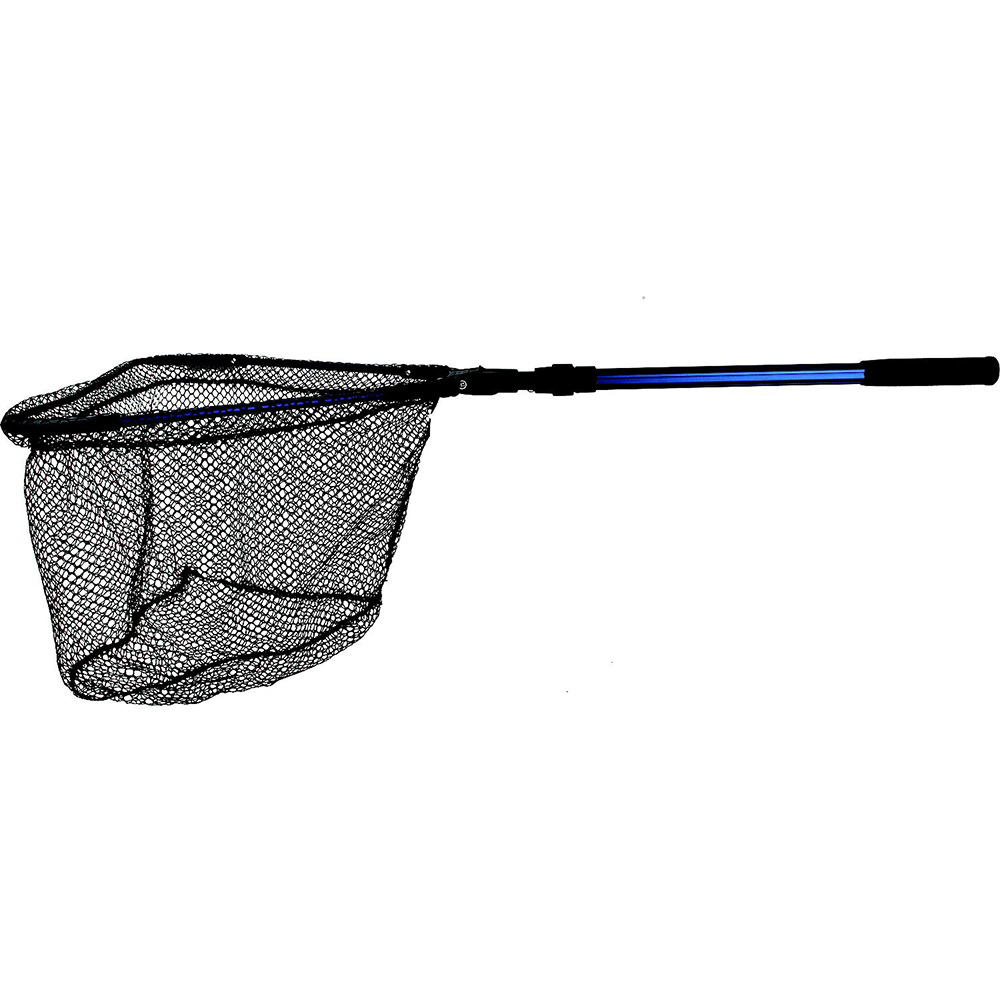
When you hook one, don't celebrate early. Halibut are notorious for coming in like a wet towel, seeing the shore, and detonating. Keep the rod loaded, walk them onto sand gently or net them — and then check the tape: the legal minimum is 22 inches, measured properly, and shorts must go back healthy. Most shore-caught fish are shorts; the one that isn't is a memory. Bag limits differ north and south of Point Sur, so give the CDFW rules a look before you keep anything.
The window that matters
Halibut are moving-water feeders like everything else, but they add a twist: they favor the warmer, calmer conditions inside the tide cycle, and the flats they hunt can literally drain at low water. The reliable window is the middle of an incoming tide through the first of the outgoing, when bait streams over freshly flooded sand. Pair that with dawn on a spring or summer morning and you've stacked the deck as high as shore fishing allows. The fishing score on this site's location pages is doing that math for you — a high score on a bay or beach page in May through September is a halibut invitation.